Spirit Animals & Animal Guides in Witchcraft — Complete Guide
Animals have been spiritual allies, teachers, and messengers across every human culture and magical tradition. The wolf who runs before the storm. The owl who watches from the dark. The crow who appears at the threshold between worlds. Working with animal guides is not an affectation — it is one of the oldest forms of magical practice on earth. This guide explains what spirit animals actually are, how to find yours, and how to work with animal energy in a witchcraft practice that is both respectful and genuinely transformative.
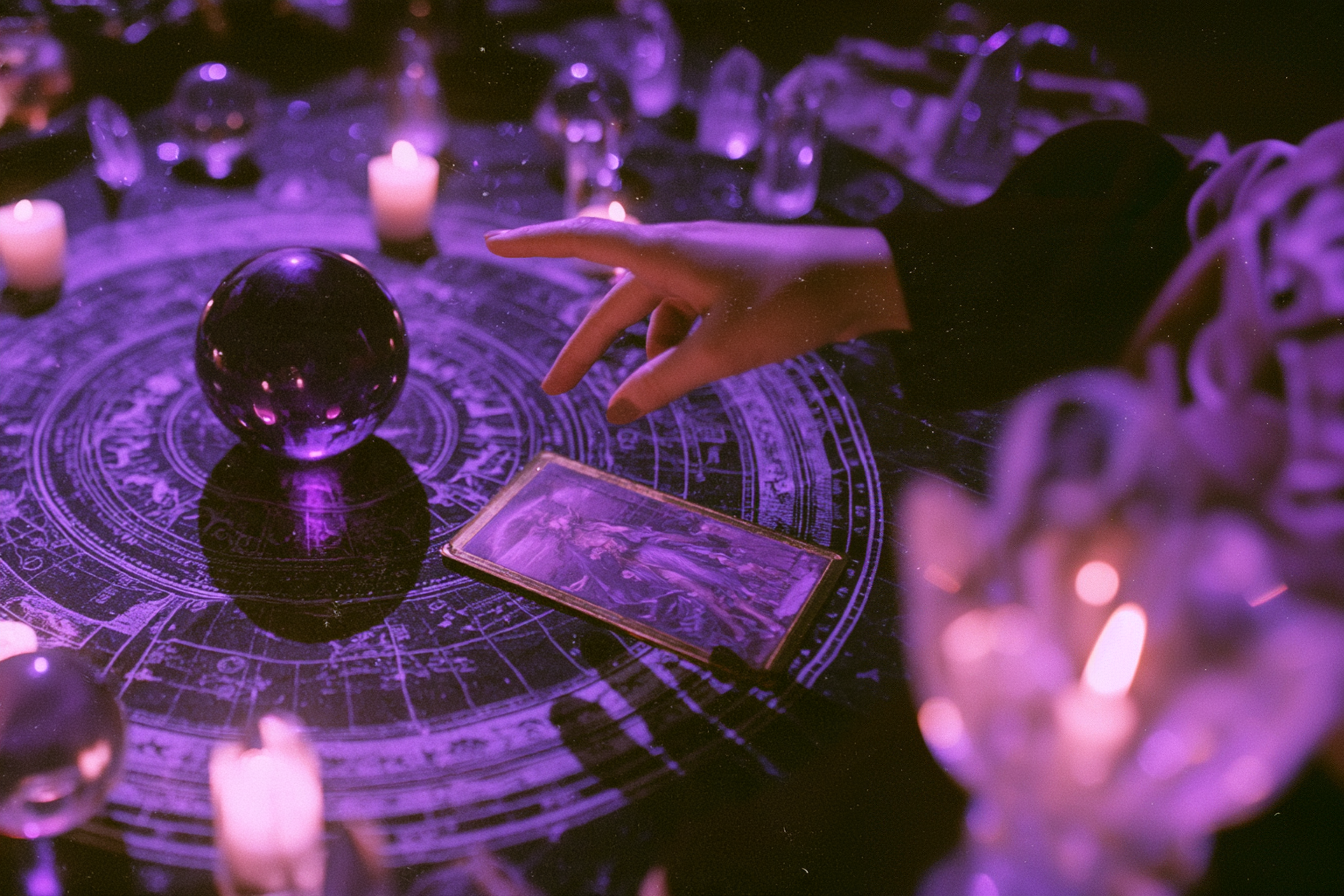
A spirit animal (animal guide, power animal) is an animal whose energy consistently accompanies you as a guide. You find yours through meditation, by tracking recurring animal appearances in dreams and life, and through ritual. The most honest approach: watch which animals actually appear to you repeatedly, not which ones you wish would.
- Animal guides appear repeatedly — in dreams, waking life, and synchronistic encounters — not just once
- Your guide is revealed through observation, not chosen like a favorite
- Different animals may serve as guides at different life phases
- The term "spirit animal" comes from Indigenous North American traditions; "animal guide" is a respectful alternative
What Is an Animal Guide?
Across cultures — from Norse seiðr to African animism, from Celtic tradition to Australian Aboriginal dreaming — animals appear as spiritual beings with their own medicine, their own teaching, their own relationship with human practitioners. The specifics vary enormously, but the core concept is consistent: certain animals bring specific wisdom and energy, and forming a conscious relationship with them deepens spiritual work.
In contemporary witchcraft, an animal guide is an animal spirit whose qualities, instincts, and particular form of intelligence offers guidance, protection, or medicine relevant to your path. It is not a spirit you invent or select. It is one that reveals itself — through repeated appearance, through dream encounters with unusual clarity, through the felt sense that a particular animal is somehow present in your life in a persistent way.
The difference between a spirit animal and a favorite animal: a favorite is an intellectual or aesthetic preference. An animal guide arrives. It shows up in inconvenient places, at significant moments, when you are asking questions you haven't verbalized yet. That distinction — received versus selected — is what separates genuine animal work from the decorative version.
How to Find Your Animal Guide
Track what appears. Before any ritual or meditation work, spend two to four weeks keeping a simple log: any animal you see repeatedly, any animal that appears in dreams, any animal that creates an unexpected emotional response — either attraction or aversion (sometimes the animal we most need is the one we resist). The log does the work before the ceremony does.
Shamanic journey meditation. Enter a relaxed, focused state and set a clear intention: to meet your animal guide. Visualize entering a natural place — a forest, a cave, a meadow, a shoreline. Ask for your guide to appear. Be open to what actually arrives, not what you expect. If a small or humble animal comes, do not dismiss it in favor of a more dramatic one.
Dream work. Ask to meet your guide before sleep. Keep a dream journal beside the bed. Animal guides in dreams often behave distinctly — they may speak, they may hold steady eye contact, they may guide you somewhere, they may feel significantly more vivid or present than other dream elements.
Ritual invitation. Cast a circle, call in the directions, light a candle in the color most associated with the direction of the Earth or Spirit, and formally invite your animal guide to make themselves known over the coming weeks. Then watch.
Common Animal Guides and Their Medicine
Working with Your Animal Guide
Once you have identified an animal guide, the work is relational. You build a relationship over time, as you would with any ally. Some practices:
- Learn your animal's actual nature. Study the animal's real biology, behavior, and ecology. How it hunts. How it rests. When it is at its most acute. The spirit follows the form.
- Keep images or objects of your guide on your altar. A feather, a bone, a figure, an image. These are not decoration; they are anchors for the relationship.
- Invoke your guide's qualities before work that calls for them. Going into a confrontation? Ask your guide — especially if it is a predator with strong instincts — to walk with you. Doing deep shadow work? A crow or snake guide is well-suited to accompany you.
- Thank your guide. Leave offerings — appropriate food, natural objects, your attention. Animal guides in many traditions require reciprocity.
Incantara includes a journal for recording your animal encounters, tracking recurring sightings and dreams, and building your relationship with your guide over time. All of it stays private on your device.
Try Incantara Free →A Note on Cultural Respect
The specific term "spirit animal" carries deep significance in Indigenous North American traditions where it is not simply a spiritual metaphor but part of living ceremonial practice tied to specific nations, lineages, and peoples. Many Indigenous practitioners have asked non-Native people to refrain from using the term casually, particularly in the appropriation of ceremonies, rituals, or identities that belong to specific living peoples.
The concept of working with animal guides exists across the entire spectrum of human spiritual traditions — Northern European, African, Mesoamerican, Asian, Australian — and practitioners can engage with this ancient form of work using language like "animal guide," "animal ally," "power animal," or simply "animal spirit." The spirit of the work, done with genuine intention and study, matters far more than the vocabulary.
Frequently Asked Questions
Common questions about spirit animals and animal guides in witchcraft.