Grimoire vs Book of Shadows: What's the Difference?
Both books sit at the center of witchcraft practice, and both are often called by the wrong name. The confusion is understandable — they overlap, they're sometimes combined, and pop culture has blurred the distinction almost completely. Here is what each actually is and what distinguishes them.
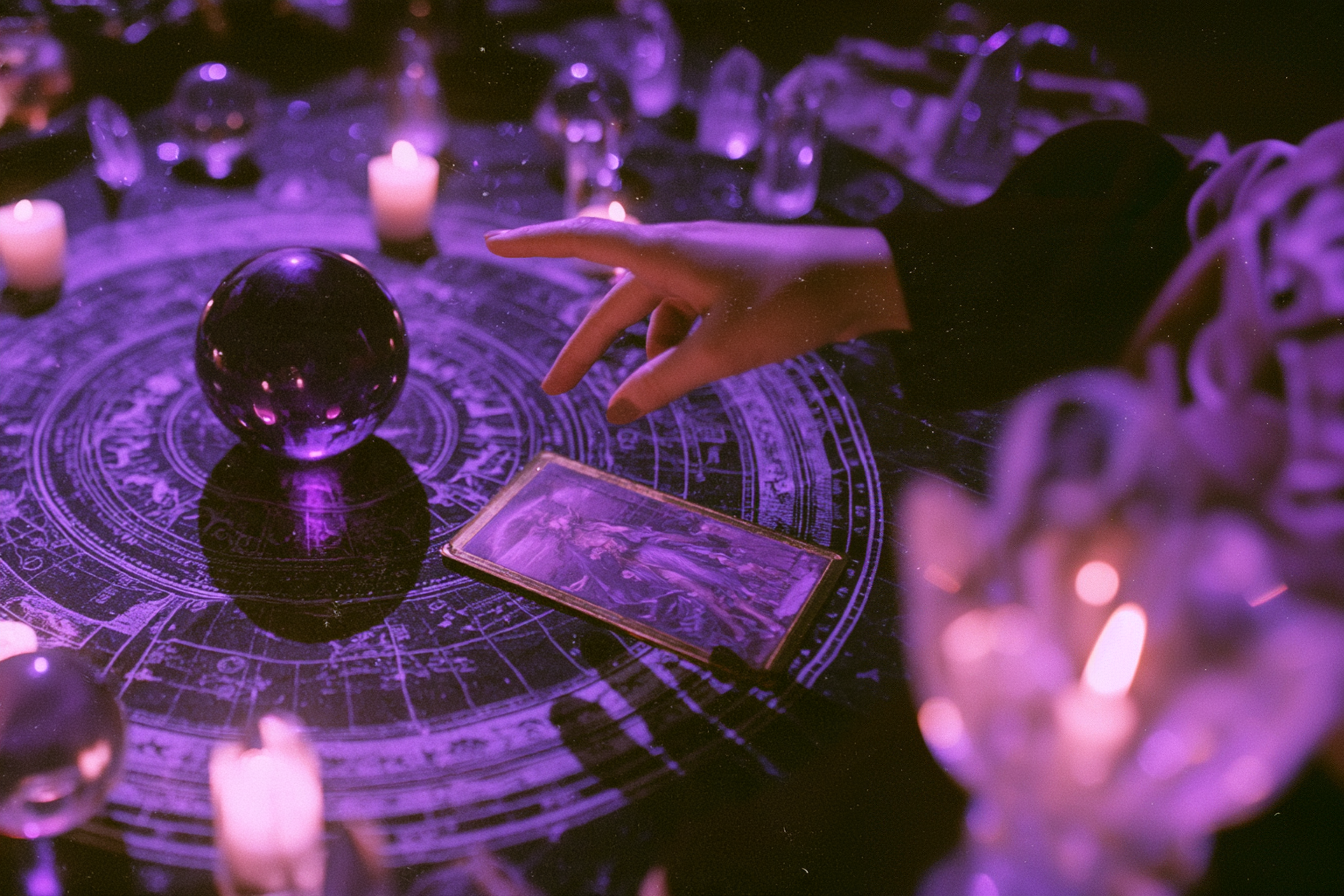
A grimoire is an objective magical reference book — compiled knowledge, correspondences, spells, and techniques, often sourced from multiple traditions. A Book of Shadows is a personal journal of practice — what you actually did, what happened, and how your craft developed. Grimoires are reference libraries; Books of Shadows are living diaries.
- The historical origin of the grimoire tradition
- How Gerald Gardner created the Book of Shadows concept
- Exactly what content belongs in each
- How the two work together in a complete practice
- Whether you can combine them into one book
- How Incantara fills the Book of Shadows function digitally
The Grimoire: A History
The word "grimoire" derives from the Old French grammaire — a grammar, in the sense of a text in Latin that only the educated could read. By the late medieval period, it had come to refer specifically to books of magic: written texts containing spells, rituals, and instructions for summoning spirits, working with planets, and wielding magical force.
Historical grimoires include texts like the Key of Solomon, the Picatrix, the Book of Abramelin, and the Lesser Key of Solomon — compilations of magical knowledge often attributed (falsely) to ancient authors like King Solomon to lend them authority. They were copied by hand, traded, and adapted. Each copy carried the additions and modifications of the copyist, so "a grimoire" is never a fixed text — it is a living tradition of magical writing.
The essential characteristic of a grimoire is that it is instructional and objective. Here are the correspondences for Venus. Here is the ritual for calling the four directions. Here is the spell for protection. It presents methods as methods — not as one person's particular experience of them.
The Book of Shadows: A History
The Book of Shadows is a much younger concept than the grimoire. Gerald Gardner, the founder of Wicca, used the term for the coven's ritual text — a book of liturgy and practice that initiates were expected to copy by hand and that was destroyed upon a member's death (hence "shadows," referring to the secrecy of its contents).
In Gardner's original framework, the Book of Shadows was a coven document — a shared text that defined the tradition's practice, not an individual's journal. As Wicca spread and solitary practice became more common, the Book of Shadows evolved into a personal record: one witch's account of their own practice, their own spells, their own development.
Today, the term is used in both ways — sometimes for a tradition's liturgical document, more often for an individual's personal practice journal.
Side-by-Side Comparison
Grimoire
- Objective knowledge and methods
- Correspondences (herbs, colors, planets)
- Spell templates and ritual frameworks
- Deity descriptions and invocations
- Magical alphabets and sigil systems
- Divination guides (tarot, runes)
- Compiled from study and multiple sources
- Relatively static once written
Book of Shadows
- Subjective records of your own practice
- Dated entries for rituals and spells worked
- What you did, what you observed, what changed
- Dreams and intuitive impressions
- Notes on tools, their energy, their history
- Personal symbols and language
- Written for yourself
- Grows and changes continuously
What Goes in Each
Grimoire Contents
Your grimoire is where you record knowledge you want to be able to find again. Sections typically include: elemental correspondences and ritual use, planetary correspondences and planetary magic timings, an herb reference with magical properties and cautions, crystal and stone reference, color magic correspondences, moon phase descriptions and working recommendations, deity information from the traditions you work with, complete spell recipes with ingredients and instructions, circle casting and closing procedures, and magical protection and banishing methods.
Write in the grimoire when you research something and want to preserve it. The grimoire is a destination, not a journal — you don't need to write in it every day.
Book of Shadows Contents
Your Book of Shadows is where you record what actually happened. Each ritual entry should note: the date, moon phase, and planetary day; what you did and in what order; your emotional and energetic state at the start; what you felt or perceived during the working; and what manifested or changed in the following days and weeks. This last part — the follow-up observation — is what transforms a Book of Shadows from a ceremonial to-do list into genuine magical research.
Write in the Book of Shadows after workings, after significant dreams, after any interaction with divination that felt important, and after any notable shift in your practice or perception.
Can You Keep Both in One Book?
Many practitioners do — especially beginners who have not yet amassed enough material to fill two separate volumes. The most common approach is to designate different sections: the first half as the grimoire reference section, the back half as the practice journal. Use clear section dividers and different visual styles if you work in physical notebooks.
The disadvantage of combining them is that the grimoire section — which benefits from careful layout and clean organization — can feel cluttered when it sits next to raw, in-the-moment journal entries. As your practice deepens, most practitioners naturally want two separate books. Begin with one if that is what you have.
The Digital Option
Some practitioners maintain a physical book for one purpose and a digital tool for the other. A handwritten Book of Shadows — slowing down to write by hand, using pen and ink, working with the physical sensation of the page — is a ritual act in itself for many witches. A digital grimoire makes reference material searchable in a way that handwritten books cannot be.
Incantara is designed to serve the Book of Shadows function: logging workings, tracking outcomes over time, and building a layered record of practice that becomes richer with every entry.
Your Digital Book of Shadows
Incantara is built to be your living practice journal — log each working with date, moon phase, tools, and outcome. Your Book of Shadows grows with every entry, and your grimoire-style correspondences are always searchable when you need them mid-working.
Open Incantara