Book of Shadows — What It Is, How to Start One, and What to Write In It
A Book of Shadows is the central record of a witch's practice — spells, rituals, observations, correspondences, and spiritual reflections gathered in one personal volume. It is not a finished product but a living document that grows with your practice over years and decades. This guide explains what belongs in a Book of Shadows, how to structure it, how to start one from scratch, and how it differs from a grimoire.
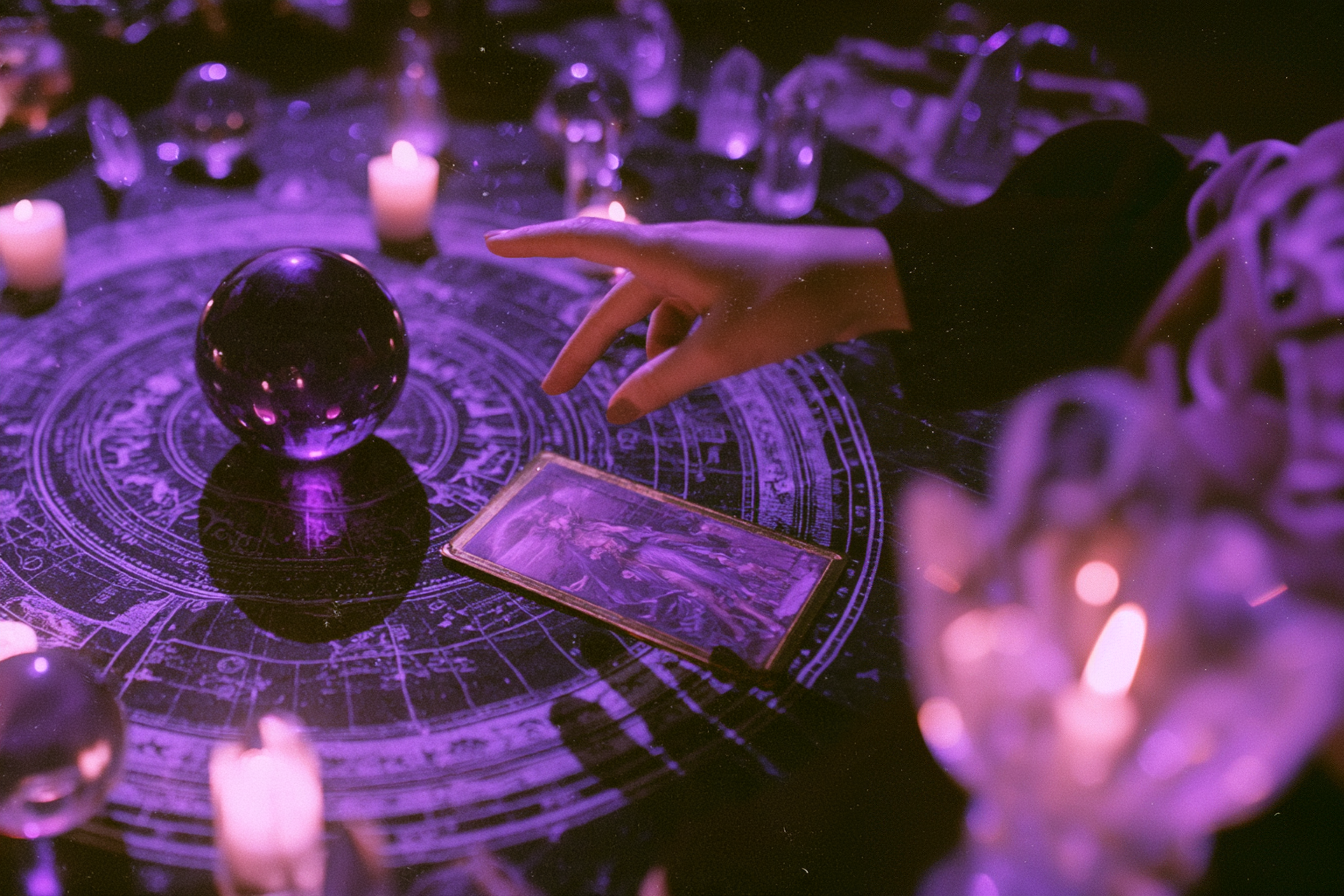
A Book of Shadows is a personal journal of magical practice. It contains spells, rituals, correspondences, divination records, and spiritual reflections. There are no rules about format — it can be handwritten, digital, or both. The term was coined in Wicca but practitioners of all traditions keep them. Start with what you know and let it grow.
- A Book of Shadows is a personal, evolving record of your magical practice — not a finished reference book
- It can contain spells, rituals, correspondences, divination records, moon observations, and spiritual reflections
- Format doesn't matter — handwritten, digital, or a combination all work
- The difference between a Book of Shadows and a grimoire is personal vs reference — diary vs textbook
What Is a Book of Shadows?
A Book of Shadows is a personal journal of witchcraft and magical practice. The term was introduced by Gerald Gardner, the founder of Wicca, in the 1940s and 1950s. In early Wicca, there was a single coven Book of Shadows — a secret text initiates copied by hand — containing the coven's rituals, laws, and magical instructions.
Modern practice has changed this significantly. Today, a Book of Shadows is almost always a personal document, unique to each practitioner. It is part record book, part spell journal, part spiritual diary. Unlike a grimoire, which is a formal reference text of magical knowledge, a Book of Shadows tracks your actual practice — what you did, when you did it, what happened, and what you learned.
The name comes from the idea of hidden, shadow knowledge — things practiced privately, away from outside scrutiny. This secrecy was important in earlier centuries when magic practice could be dangerous. Today it reflects the deeply personal nature of the work.
What to Write in a Book of Shadows
There are no mandatory sections. A Book of Shadows should reflect your actual practice, not an idealized version of it. That said, most practitioners organize their books into recognizable sections over time.
Spells and workings. Every spell you cast belongs here — the intention, the method, the materials, the date and moon phase, and crucially, the outcome. Recording what happened after a spell is as important as recording the spell itself. This is where your practice becomes a data set over time.
Rituals and ceremonies. Full moon rituals, Sabbat celebrations, dedication ceremonies, and any formal ritual structure you use. Write these out in full so you can follow them without having to improvise.
Correspondences. Herbs, crystals, candle colors, planets, days of the week, moon phases — the symbolic language your practice uses. Many practitioners start with a correspondence section early because it is used so frequently.
Divination records. Tarot readings, pendulum sessions, rune throws, dreams, and visions. Date and context matter here — a card reading from six months ago means very differently once you know what unfolded.
Deities and spirits. Information about the gods, goddesses, or spirits you work with — their attributes, offerings they prefer, how they have appeared in your practice, and your personal experience of them.
Personal reflections. Questions you are sitting with, spiritual experiences, doubts, breakthroughs, what you are currently learning. The reflective sections are often the most valuable parts of a Book of Shadows when read years later.
How to Start a Book of Shadows
The most common mistake is waiting until you feel ready. You will not feel ready. Start now, with whatever you have.
Choose your format. A blank journal, a three-ring binder (which allows adding pages), a digital notes app, or a dedicated witchcraft app all work. Many practitioners keep both a handwritten book for the sacred feel and a digital record for searchability. Neither is more legitimate than the other.
Write a dedication page. Who you are, when you began, and why you are drawn to this practice. This is not a formal oath — it is an anchor for your future self when they read back.
Start with correspondences. If you are unsure what to write, copy or compile the basic correspondences you use most — candle colors, herb properties, moon phases. This gives the book functional utility immediately.
Record everything you do. Every candle you light with intention, every tarot card you draw, every moon ritual you attempt — write it down. Even a one-line entry is better than nothing. The practice of recording is itself part of the practice.
Organizing Your Book of Shadows
Organization matters more as the book grows. Early entries can be stream-of-consciousness. As volume increases, some structure helps.
The most common approach is a table of contents at the front with section dividers — Spells, Rituals, Correspondences, Divination, Deities, Reflections. Date every entry. Use tabs or sticky notes for sections you return to frequently.
Many practitioners keep a separate correspondence notebook or grimoire as a clean reference, and use the Book of Shadows purely for practice records. This is a natural evolution — when your single volume starts to do too many jobs, it splits into specialized books.
Digital Books of Shadows can be organized with tags and folders — every entry tagged by date, type (spell, ritual, divination), and topic. The search function alone makes digital records worth keeping alongside a handwritten book.
Digital Books of Shadows
A digital Book of Shadows has real practical advantages: backup copies, full-text search, easy reorganization, and the ability to include photos of your altar setups, herb harvests, or working materials. Apps built for witchcraft practice can automatically log moon phase and date, link entries to relevant correspondences, and create a searchable record of years of practice.
The main objection to digital records is that they lack the embodied quality of handwriting — the pen moving across the page as a form of physical magical act. This is a real consideration for many practitioners. The solution most use is to keep both: a physical book for spells and rituals where the act of writing is part of the working, and a digital record for reference, divination logs, and observations.
Incantara includes a full grimoire and ritual log — record every spell, ritual, and working with automatic moon phase and date logging. The Witchcrafter can help you structure entries and suggest correspondences. Your entire Book of Shadows stays private on your device.
Try Incantara Free →What Makes a Good Book of Shadows Entry
A useful entry contains: the date, moon phase, and day of the week; the intention or question; the method used (materials, words spoken, ritual structure); your emotional and physical state going in; and — crucially — a follow-up entry later recording what happened.
Many practitioners neglect the follow-up entry, which is the most valuable part. A spell recorded without an outcome is half an entry. Return to your workings. Note what manifested, how long it took, and whether the outcome was what you expected. Over time, patterns emerge — which methods work reliably for you, which moon phases produce the strongest results, which intentions come through clearly and which tend to arrive sideways.
Write honestly. A Book of Shadows that records only successes is useless. The failed workings, the spells that produced nothing, the rituals that felt hollow — these entries teach as much as the ones that worked.
Frequently Asked Questions
Common questions about starting and maintaining a Book of Shadows.