How to Set Up a Witchcraft Altar — A Complete Beginner's Guide
An altar is a practitioner's focal point — a physical space that makes magic tangible, that holds your intention between workings, and that tells the universe you are serious about your practice. It doesn't need to be elaborate, expensive, or Instagram-worthy. It needs to be yours, and it needs to work. This guide tells you exactly what to put on your altar, how to position it, and how to build one that actually serves your practice rather than decorating it.
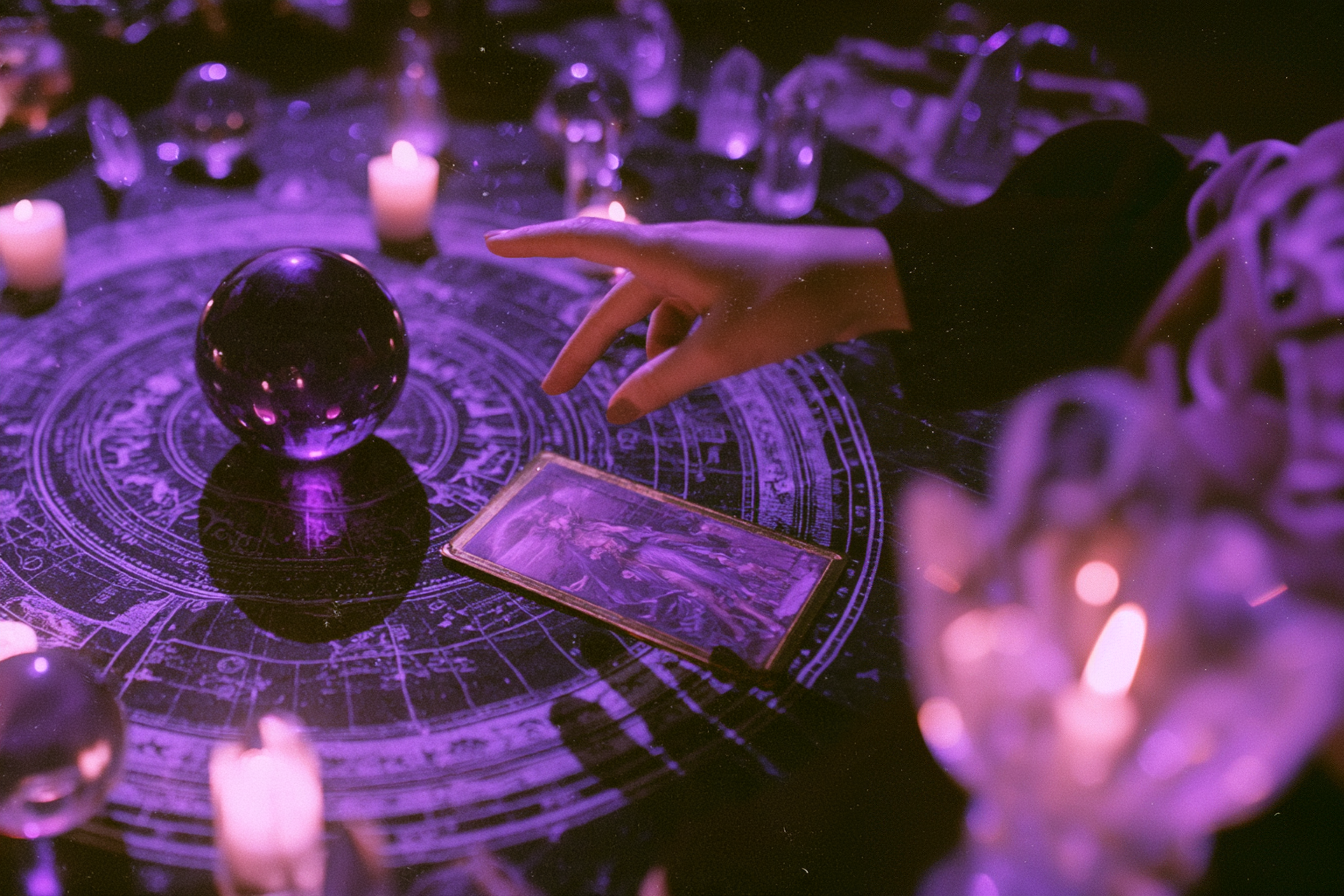
A witchcraft altar needs: a candle (fire element), incense or feather (air), bowl of water (water), salt or stone (earth), and an item representing your intention or deity. That is a complete, functional altar. Everything else is optional and added as your practice deepens. Size doesn't matter — a windowsill works.
- An altar is a focal point for practice — the four elements should be represented in some form
- No specific size, surface, or tradition is required; a small shelf or tray is completely valid
- Cleanse your altar space before setting it up and periodically thereafter
- An altar reflects your practice — it should grow naturally over time, not be built all at once
What Is an Altar?
An altar is a dedicated physical space for magical and spiritual practice. It is not decoration. It is not a shelf of pretty things. It is a working surface that holds the symbols, tools, and focal points of your practice — a place where you consistently direct attention, intention, and energy.
The power of an altar builds with use. An altar you have worked at for two years contains accumulated energy that a brand-new altar does not. This is why consistent, regular practice at a fixed altar develops differently than practice scattered across different locations and surfaces.
Choosing Your Altar Surface
Any flat surface can serve as an altar: a shelf, a windowsill, a table, the top of a dresser, a tray on a bookcase, the floor. Many practitioners begin with a surface they already have — a small side table, a wooden crate, a section of shelf. The surface itself is not magical; your use of it is.
Considerations: Fire safety is paramount. Your altar will often have lit candles. Ensure the surface can safely hold candles in stable holders, that nothing flammable is directly above lit candles, and that you can keep an eye on lit flames. Never leave lit candles on an altar unattended.
An altar cloth — a piece of fabric placed over the surface — is optional but useful. It defines the altar space visually and can be changed seasonally or for different workings (white for cleansing, black for banishing, red for passion, green for abundance).
What to Put on a Witchcraft Altar
At minimum, represent the four classical elements. This creates an energetically complete working space and is the foundation all other altar elements build on.
- Fire: A candle. The most important element on most altars. White is the universal choice; color can be chosen for specific workings.
- Air: Incense, a feather, a fan, or a small bell. Smoke from incense is the most traditional air representation.
- Water: A chalice, bowl, or small cup of water. Can be fresh water, salt water, or moon water charged at the full moon.
- Earth: Salt, soil, a stone, a crystal, or a small plant. A small dish of sea salt is traditional and also has purifying properties.
Deity representations. Images, statues, or symbols of the deities you work with. These don't need to be expensive figurines — a printed image, a natural object associated with the deity (a pomegranate for Persephone, an owl feather for Athena, moonstone for Selene), or simply a colored candle representing the divine works.
Your working tools. Whatever tools you currently use — your Book of Shadows (or the app you keep it in), divination deck or pendulum, crystals, athame, wand. Keep what you actively use on the altar; store the rest.
Seasonal items. Many practitioners update their altars with the Sabbats — acorns at Mabon, pine cones at Yule, spring flowers at Ostara. This keeps the altar alive and in relationship with the turning year.
Offerings. A small dish for offerings to deities — a bit of food, drink, flower petals, coins. Remove offerings before they decay and return them to the earth.
Positioning Your Altar
Traditional Wicca suggests North (Earth direction) or East (rising Sun, new beginnings). Many practitioners orient the altar based on what works in their physical space. The directional symbolism matters less than the practical reality of having a usable altar you actually work at regularly.
Privacy is a real consideration. If you share your space with people who are not supportive of your practice, positioning your altar in a room with a door, or in a location where it won't be a source of conflict, is entirely practical. A hidden or modest altar you use consistently is far more powerful than a prominent one that creates tension in your living environment.
Cleansing Your Altar
Before setting up a new altar, cleanse the space thoroughly. Smoke cleansing (sage, palo santo, rosemary — choose according to what resonates), salt cleansing (sprinkling sea salt across the surface and sweeping it off), or sound cleansing (a bell, singing bowl, or clapping to break stagnant energy) all work.
Cleanse the altar periodically — especially after intense workings, after any difficult spell, at each Sabbat, or whenever the space feels energetically heavy. A monthly cleanse at the new moon establishes a good rhythm.
Incantara includes an altar journal so you can photograph and log your altar setups, record what items are charged on your altar at any given time, and track how your altar evolves with the seasons and your practice. Keep the whole record private on your device.
Try Incantara Free →Altars That Grow with Practice
The best altars are not built all at once. They accumulate over time — a crystal from a significant working, a candle stub from a spell that manifested, a feather found on a meaningful walk, a deity statue chosen after deep experience rather than on first instinct. These accumulated items carry personal history and energy that purchased-to-specification items do not.
Begin simply. Light a candle, place a bowl of water, hold the space with intention. Everything else follows when it is genuine.
Frequently Asked Questions
Common questions about setting up a witchcraft altar.